Seeing Bermuda Without a Tour
You can see a lot of Bermuda on your own, by ferry, bus, scooter and foot. You cannot see all of it: the reefs and the wrecks need a boat, and the far end of the island takes time. This guide covers what works without Bermuda excursions, what it costs, and where a tour is the better deal.
Can you see Bermuda without a tour?
Yes. The ferries and buses reach Hamilton, the Dockyard, St. George's and the South Shore beaches, and a transportation pass makes them cheap. The beaches, the towns and the Dockyard are free to walk into. The paid sights, Crystal Caves, the lighthouse and the museums, sell tickets at the door.
What you give up is time and reach. A tour drives both ends of the island in four or five hours; by public transport, one end fills most of a day. And nobody takes you out to the reef line unless you are on a boat.
Why is there no rental car?
Visitors are not permitted to rent standard cars in Bermuda. It is a rule, not a shortage, and it applies to everyone arriving by air or sea.
So you cannot rent a car, but you have other ways to get around: taxis, the ferries, the pink and blue buses, electric two-seater micro-cars, scooters and bicycles. Agree a taxi fare before you set off.
What do the ferries and buses cost?
Bus and ferry share one fare system, run by the Government of Bermuda.
| Fare | Adult | Child (5-15) |
|---|---|---|
| Bus cash, 3 zones or less | US$3.50 | US$2.75 |
| Bus cash, 14 zones | US$5 | US$2.75 |
| Token, 3 zones / 14 zones | US$2.75 / US$4.50 | Not sold |
| 1-day pass, unlimited bus and ferry | US$19 | US$9.50 |
| 3-day pass | US$44 | US$22 |
| 7-day pass | US$62 | US$31 |
Buses take exact change and no notes; ferries take no cash at all. Children under 5 ride free. Tokens, tickets and passes work on the ferries too.
What can you rent instead?
Electric two-seater micro-cars and scooters are the visitor's wheels, and bicycles for the fit. A micro-car suits a couple who want to stop where they like on the South Shore; a scooter suits confident riders only.
If you do not want to drive at all, the pass is the better buy. And whichever you pick, you cannot board a bus, ferry or taxi wet or sandy, so bring a cover-up.
What is there to do at the Dockyard on foot?
A morning's worth, a walk from the cruise berths. The National Museum of Bermuda, in the Keep, holds shipwreck artifacts and more, for US$20 an adult; last entry is 4pm. The Bermuda Arts Centre gives glassblowing demonstrations, and there is a craft market.
For a swim, Snorkel Park Beach Club sits beside the Dockyard. For a guided look without a coach, the Dockyard Segway runs ninety minutes with training first, from age 16. The Visitor Services Centre at 2 Dockyard Terrace has timetables and passes.
How do you get to Hamilton?
By the Blue ferry: 15 to 20 minutes from the Dockyard to the Hamilton ferry terminal at Albouy's Point, on Front Street. Buses 7 and 8 do the same trip by road, more slowly.
Hamilton is the capital, and small enough to walk. Front Street runs along the harbour, and the Visitor Services Centre is inside the ferry terminal. From Hamilton, buses fan out across the island.
How do you get to St. George's?
From May to October, the Orange ferry runs straight from the Dockyard to St. George's in 45 minutes. It is the easiest day out on your own.
The rest of the year, go via Hamilton by bus, or by taxi. The town, founded in 1612, is a UNESCO World Heritage Site, and St. Peter's Church there is the oldest Anglican church in continuous use outside the British Isles. The Visitor Services Centre is at 25 York Street.
Can you visit the lighthouse and the caves on your own?
Both, if you plan the journey. Gibbs Hill Lighthouse in Southampton opens daily from 10am to 4pm and charges US$2.50 for the climb, 185 steps in eight flights. It closes for all of February.
Crystal Caves, in Hamilton Parish, charge US$24 an adult for one cave or US$35 for both, and US$10 for a child. Guided visits leave every 15 minutes from April to September and every 30 from October to March; walk-ins are welcome. The caves close on 1 January, Good Friday and 24 to 26 December.
Walsingham Nature Reserve, better known as Tom Moore's Jungle, is free from dawn to dusk, though its rough ground rules out wheelchairs and strollers.
Where can you walk on your own?
Further than you might think, and all of it free. The Railway Trail runs along the line of the island's old railway, and in Warwick the Bermuda Tourism Authority suggests it for hiking and birdwatching. In Paget, a boardwalk winds through the 25-acre Paget Marsh Nature Reserve, and the Bermuda Botanical Gardens are close by.
On the South Shore, paths through the dunes of South Shore Park link Warwick Long Bay to smaller coves such as Jobson's Cove. In Smith's Parish, the Spittal Pond Nature Reserve has longtails nesting in the cliffs and the rock formation known as the Checkerboard. Wear proper shoes: much of this is rough limestone and sand.
How do you get around with children?
Cheaply. Children from 5 to 15 pay US$2.75 a bus ride in any zone, a child's day pass is US$9.50, and children under 5 ride free. At Crystal Caves, children 12 and under pay US$10 for one cave, and under-5s go in free.
Plan for the terrain. The lighthouse climb is 185 steps in eight flights, the caves have stairs down to the water and back, and the paths in Tom Moore's Jungle are too rough for a stroller. The beaches are easiest: John Smith's Bay has restrooms, changing rooms and gentle waves. Our guide to the beaches lists the calmest.
What can you not reach without a boat?
The reef line, and everything on it. Bermuda's reefs are the northernmost coral reefs of the Atlantic, and the best of them lie offshore. The wrecks of the Montana and the Constellation sit out there in about 30 feet of water.
From the sand, you can snorkel at Tobacco Bay, which the Bermuda Tourism Authority rates highly for it, and at the Dockyard's snorkel beach. To see the Vixen or the reef without getting wet, take the glass-bottom boat, $78 for ninety minutes. The Bermuda boat tours page lists every way onto the water.
What does a day on your own look like?
Here is a plan that needs no tour at all, in two halves you can use on one day or two.
The west end. Start at the National Museum of Bermuda when it opens, 9am in summer and 10am in winter, and give it two hours. Swim at Snorkel Park Beach Club, then take the Blue ferry to Hamilton for the afternoon. Walk Front Street, find lunch, and ride the ferry back with your pass.
The east end, May to October. Take the Orange ferry to St. George's, 45 minutes. Call in at the Visitor Services Centre at 25 York Street, open Monday to Saturday from 10am to 4pm, and walk to St. Peter's Church and the ruin of the Unfinished Church. Then swim at Tobacco Bay, which has a bar and restaurant on the sand, and take the ferry back.
Either half costs you a US$19 pass plus whatever you pay to go in. Neither reaches the reef line or the caves, and neither gives you more than a glimpse of the South Shore beaches, which is where a tour, a micro-car or a second day earns its keep.
When is a tour better value?
When you add up the time. Here is the do-it-yourself cost beside the tour for five common goals.
| Goal | On your own | With a tour |
|---|---|---|
| Both ends of the island | US$19 pass; most of a day | $66 to $80, 4-5 hours |
| A long beach day | US$19 pass; bring your own chair | $150, chair and umbrella included |
| Crystal Caves | US$24 entry plus transport | $85, entry and transport included |
| The reefs and wrecks | Not possible | $105 and up |
| St. George's in winter | Bus via Hamilton, or a taxi | $80, an hour in the town |
On your own is cheaper for Hamilton and the Dockyard, and for a family seeing both caves. A tour wins on a short ship day, for the far end of the island, and for anything under water. Our one-day plan mixes the two.
Frequently asked questions
What is the cheapest way to get around Bermuda?
Can I rent a car in Bermuda?
Can I pay cash on the ferry?
Can I ride the bus in a wet swimsuit?
How long is the ferry from the Dockyard to Hamilton?
Can I see the reefs without a tour?
Do tours take US dollars?
Tours for the parts you cannot do alone
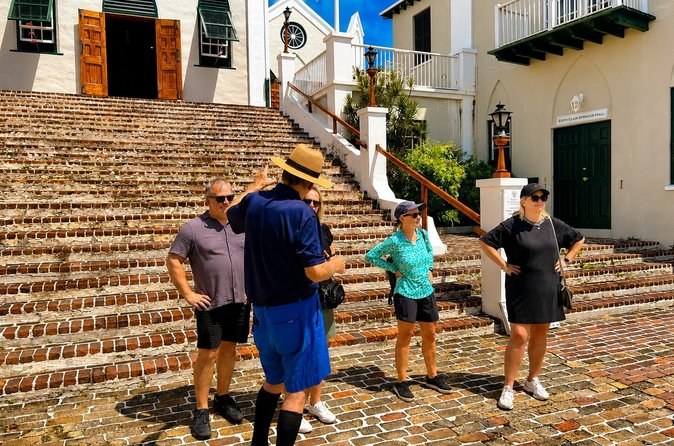
Private St. George's Bermuda History Walking Tour
A private walk of two and a half hours through the Town of St. George, from the ferry terminal or St. Peter's Church, with admission to every venue and bottled water in the fare. Priced per person, for two or more.
From $95 per person (minimum 2)
Check Availability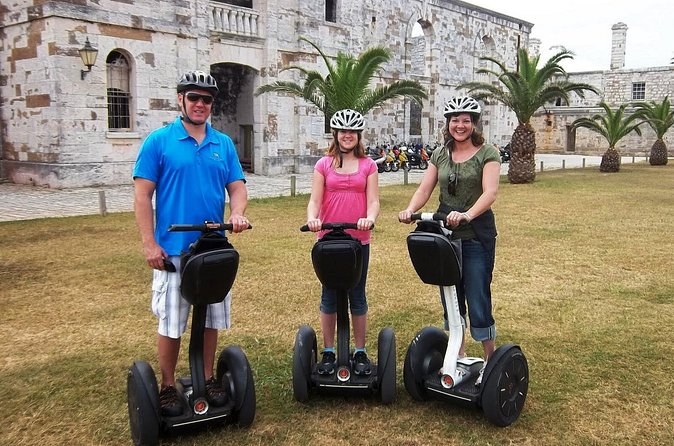
Bermuda Dockyard Segway Tour
Ninety minutes riding a Segway round the Royal Naval Dockyard with a guide in your headset, after hands-on training. Seven riders at most, from age 16; closed-toe shoes required.
From $106 per person
Check Availability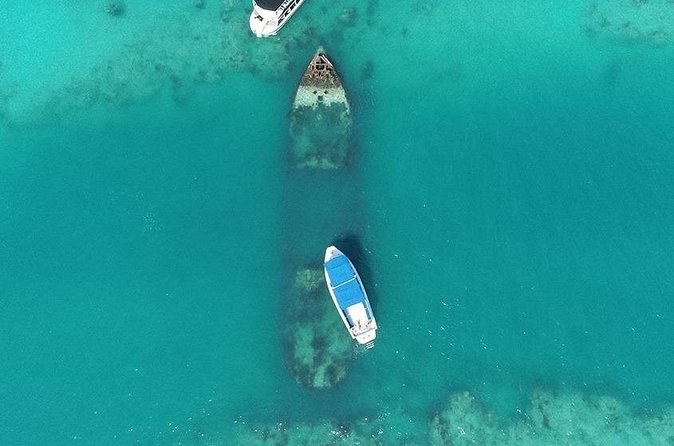
Bermuda Glass Bottom Boat Cruise
An hour and a half over the reef, the seagrass and the wreck of HMS Vixen, seen through the hull without getting wet. There is a cash bar on board, and you step on and off the boat.
From $78 per person
Check AvailabilityNext: Deciding which tour to add? Our guide to the best tours compares them. The full range sits side by side on Bermuda Tours.